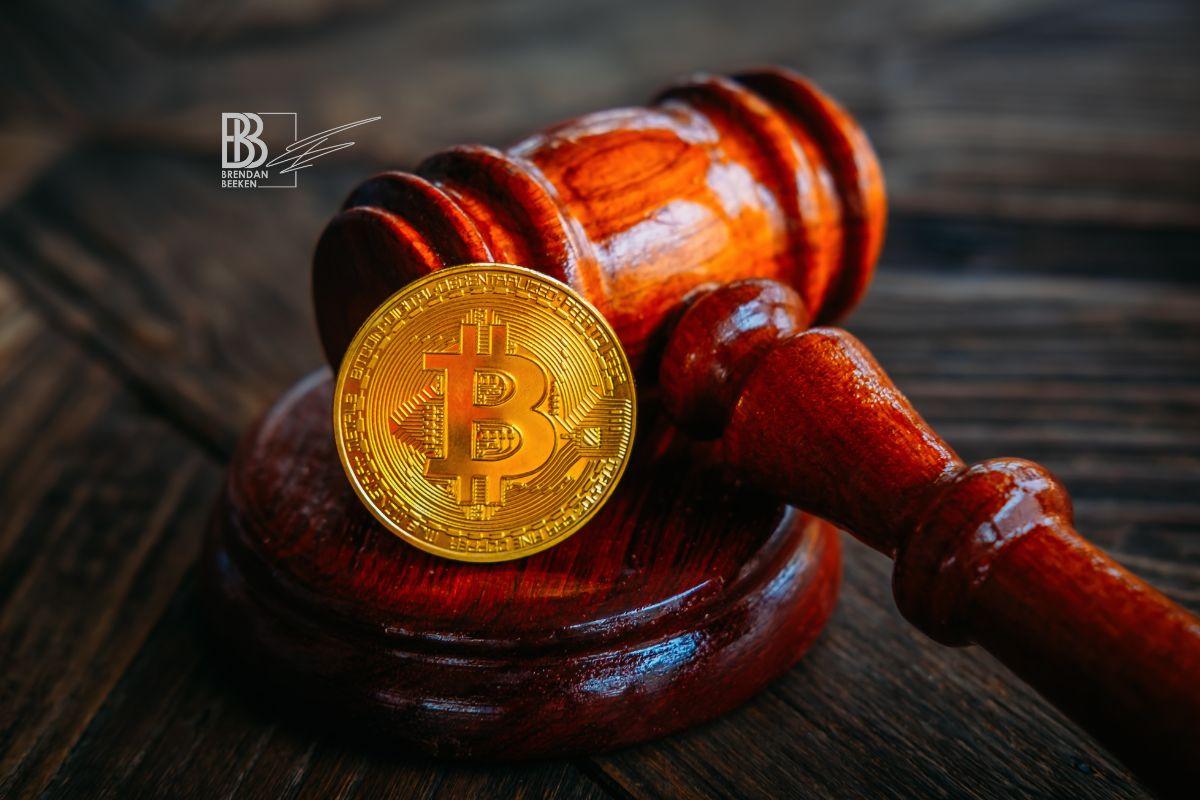
Crypto regulation has taken centre stage in the DeFi world following the collapse of FTX and the ramping up of regulatory crackdowns in the United States.
Some see it as an affront to the principle of decentralised finance – the ‘man’ sticking it to the anti-traditional finance mechanism – or an overreaction to some of the 2022 ‘missteps’.
It’s neither. Regulation in the cryptocurrency sector is necessary, essential, and long overdue.
This may seem odd coming from the founder and chairman of a cryptocurrency business, Moni Talks, but it has long been my stance.
Why is Crypto Regulation in the News?
The cryptocurrency industry has endured a turbulent 18 months. The icing on the cake came late in 2022 when FTX, the second biggest crypto exchange, collapsed, sparking contagion that spread across the sector, infecting other businesses.
Allegations made against founder Sam Bankman-Friend and his colleagues relating to the management and corporate oversight at FTX made for shocking reading. Inevitably, it provided more fuel to the fire of crypto regulation.
Regulators worldwide stepped up moves to implement more rules, ones many had been dragging their feet over, in response. It is the activity in the US that has attracted the greatest attention in recent months.
The US Securities and Exchange Commission has seemingly gone to war with sections of the cryptocurrency industry. Binance and Coinbase are among the big names to feel the wrath of the SEC, under Gary Gensler’s leadership, chiefly over the alleged selling of ‘unregistered securities’.
Much of the discussion surrounds whether certain digital assets should qualify as securities, and be registered, or not.
Charge of the SEC
We in the industry expect crypto regulation to evolve, protecting consumers and investors in a fast-paced, rapidly growing sector.
Instead, what we have seen is governments and regulators ignore cryptocurrencies as a fad that will burn out, then something they can’t get to grips with, then something they must stomp on until it is dead.
I have found this frustrating because a lack of clarity over regulation makes planning for your business impossible. Further, undue overregulation stifles innovation. And, perhaps most importantly, ill-conceived, unenforceable rules do nothing to protect consumers, which I care about.
Being generous, the SEC’s crusade is about safeguarding investors. The early days of cryptocurrency were the wild west, rife with scams, fraud, and market manipulation. That’s not all in the past, so it is good to see regulators acknowledge and respond to that.
The SEC seems to believe that the best protection is to insist that cryptocurrencies are classified as securities, so they fall within existing securities laws and regulations. Enforcing compliance with these rules will subject crypto businesses to the same standards as other securities, enhancing transparency, accountability, and investor confidence.
This despite the fact that most securities regulation pre-dates the concept of crypto and fails to address its unique benefits and challenges.
Why We Need Crypto Regulation
This is going to be a controversial statement, coming from someone inside the sector, but we need crypto regulation.
We need it, it’s coming, and you shouldn’t fight against it. Instead, recognise the benefits and be part of the conversation so we get rules that protect people, and the industry, without killing innovation and growth.
When I set up Moni Talks, I was transparent about my stance on regulation. Coming from a ‘traditional’ finance background, I was used to following regulations, correctly managing corporate governance, and protecting investors and consumers.
Yeah, it could be frustrating and bureaucratic, but you knew what it was for.
So, I put compliance with regulation as the core of the Moni Talks vision. I wanted to protect my users and be part of restoring the reputation of cryptocurrency and faith in DeFi.
But it’s not all altruistic. Money is a great motivator.
For example, enhanced regulatory clarity and oversight can attract institutional investors, who often require a well-regulated environment to participate in cryptocurrency markets. This increased institutional involvement can lead to greater liquidity, stability, and mainstream adoption.
It’s About Balance
Good crypto regulation is about getting the balance right.
We need clear, enforceable rules that help protect investors. This will build trust and aid the widespread adoption of cryptocurrencies.
At the same time, we need regulation that recognises the unique nature of cryptocurrency and imposes appropriate new rules – not reworded laws from 100 years ago – which look after consumers while encouraging innovation, not stifling it.
Fostering a healthy and secure environment for digital asset trading requires collaboration between regulators, governments, DeFi project leaders, and industry members.
Raging against the machine isn’t going to work – you need to be part of the solution.