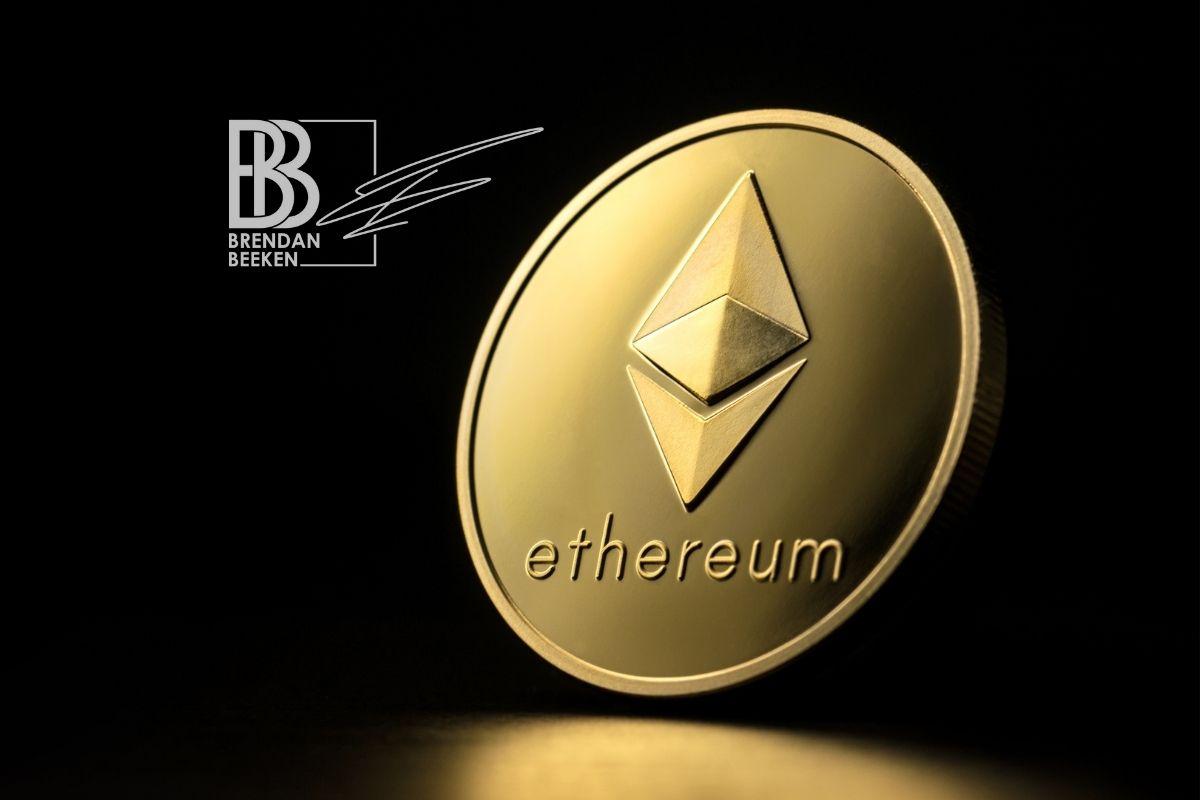
Bitcoin and Ethereum have been the ‘face’ of cryptocurrency to the broader community, but what is Ethereum?
Long after Bitcoin came into the eyes of big investors, Ethereum entered the market with a completely different ideology.
The ideology would change the dynamics of the crypto world and bring about a new and improved direction to cryptocurrency applications.
As a Platform
Ethereum is a blockchain platform, and its cryptocurrency is Ether (ETH). Soon after its launch, it gained considerable attention worldwide as people considered the use cases it presented.
Despite being the second most popular cryptocurrency right now, Ethereum presents itself as more than ‘just’ a currency. The platform is a decentralised ledger across which the detail of every transactions is retained. But, more than this, it is also a medium for exchange and storage, delivering valuable assets to users.
It has become a decentralised computing network with its programming language, Solidity.
Although introduced as a blockchain network, what really made Ethereum an exciting proposition was its potential to handle more than just financial transactions and ledgers.
Ethereum Blockchain is regarded as ‘the’ hub for developing programmes known as ‘Smart Contracts’. Smart Contracts host decentralised applications, or ‘dApps’.
This is a charm for developers, who discovered a new domain to work in and generate revenue.
The innovation is used internationally. Thousands of successful dApps are available in the market, including games, marketplaces for trading digital art (NFTs), and DeFi (decentralized finance) applications.
Creators
Vitalik Buterin, Anthony Di Iorio, Charles Hoskinson, Mihai Alisie, and Amir Chetrit began development in 2013.
During 2014, ahead of the 2015 launch, respected names including Gavin Wood, Joseph Lubin, and Jeffrey Wilcke joined the venture.
Buterin and Wood are regarded to have played the most significant roles, but it is important to remember Ethereum is decentralised, so not controlled by any of these individuals.
Operational Procedure
Cryptocurrencies, as a whole, are developed across the blockchain network. With Ethereum having its distinct blockchain, it keeps a distributed ledger with records of all verified transactions.
Every user participating in the blockchain holds a copy of the public ledger with the autonomy to view all the transactions made.
This is similar to how Bitcoin works, and Ethereum also has a similar approach to ‘mining’. People ‘mine’ or, more clearly, solve complex mathematical questions to add blocks within the blockchain.
Users are awarded Ether (ETH) tokens for adding each block.
Ethereum works through computing power across the network; people use devices and computers to run specific nodes or software across the blockchain.
Ethereum, as a system, relies on these nodes for processing transactions across the network. When processing transactions, the platform charges a fee – the ‘gas’ fee, paid in ETH. This helps keep the network operational.
Benefits and Drawbacks
There are considerable benefits, including:
- It is an extensive network developed over years of operation
- The large community is committed to developing it as one of the largest crypto ecosystems
- It is not just a blockchain system that holds transaction records; it offers more, including Smart Contracts for the development of dApps
- It is open source, inviting developers to improve the platform constantly and make it a coherent network
- It removes the need for intermediaries
There are drawbacks, however, including high transaction costs and volatility.
Ethereum 2.0
Developers identified numerous issues across the Ethereum blockchain. These, plus concerns about high gas fees, led to the development of Ethereum 2.0.
Implementation of aspects of the upgrade began in 2020, but it has been a slow process. Many hope 2.0 will be complete this year.
Ethereum 2.0 intends to scale up the network to address the identified issues, including congestion.
This development is vital to deliver Ethereum ambitions for the crypto market. Alongside a valuable token, ETH, Ethereum, notably, offers smart contract solutions that drive the development of new apps. The ongoing growth of this offering is only possible if load issues across the platform are addressed.
Ethereum 2.0 may be the key.